
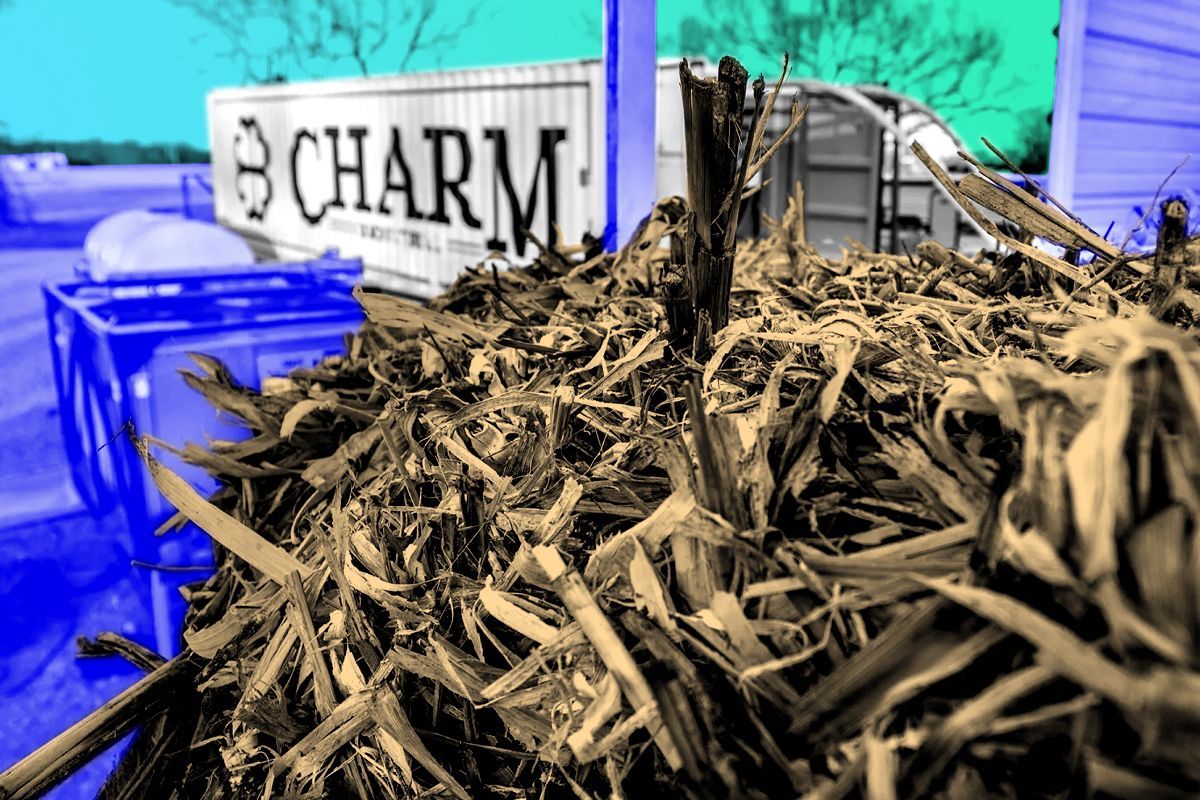
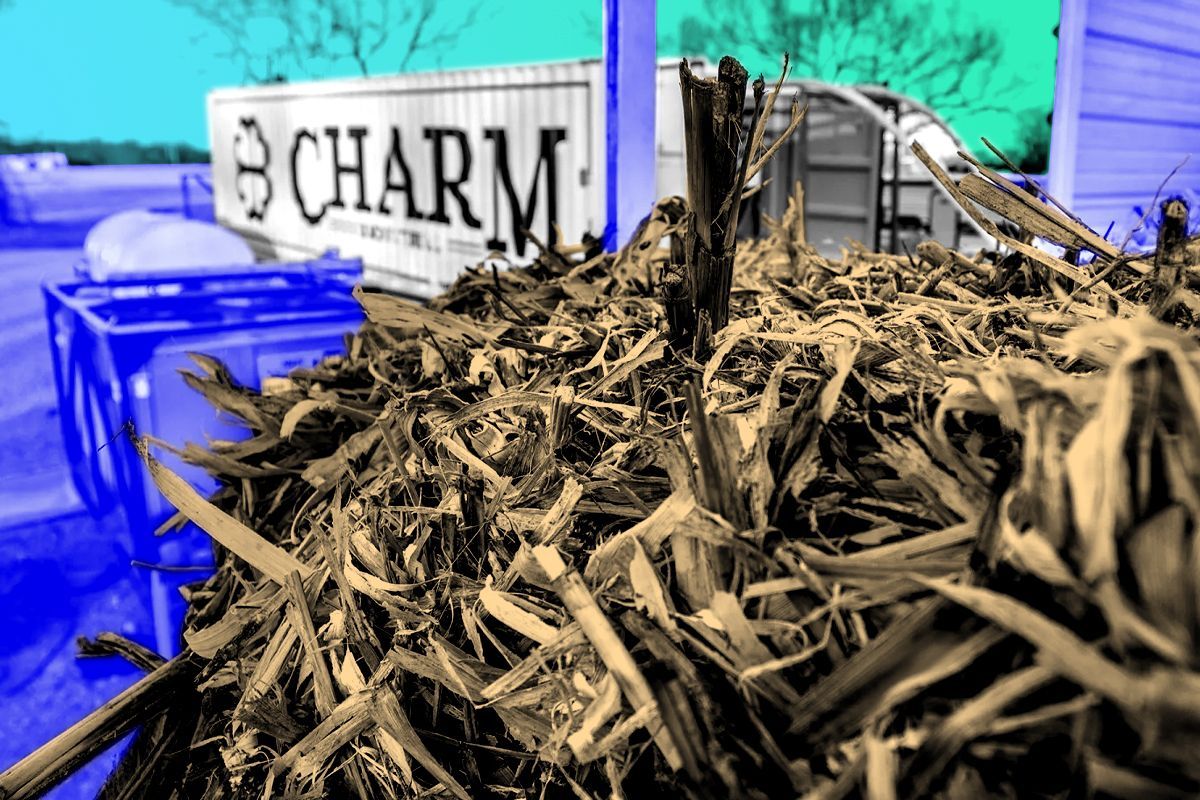
Deep in Inyo National Forest in the Eastern Sierra Nevada are a couple of bright white domed tents protecting an assemblage of technical equipment and machinery that, admittedly, looks a bit out of place amidst the natural splendor. Surrounding shipping containers boast a large “Charm Industrial” logo, an indication that, yes, the U.S. Forest Service is now working with the well-funded carbon removal startup in a two-for-one endeavor to reduce wildfire risk and permanently remove carbon from the atmosphere.
The federal agency and its official nonprofit partner, the National Forest Foundation, have partnered with San Francisco-based Charm on a pilot program to turn leftover trees and other debris from forest-thinning operations into bio-oil, a liquid made from organic matter, to be injected underground. The project is a part of a larger Cal Fire grant, to implement forest health measures as well as seek out innovative biomass utilization solutions. If the pilot scales up, Charm can generate carbon removal credits by permanently locking away the CO2 from biomass, while the Forest Service will finally find a use for the piles of leftover trees that are too small for the sawmill’s taste.