
While the industry has been making strides toward decarbonization, more urgent action must be taken.
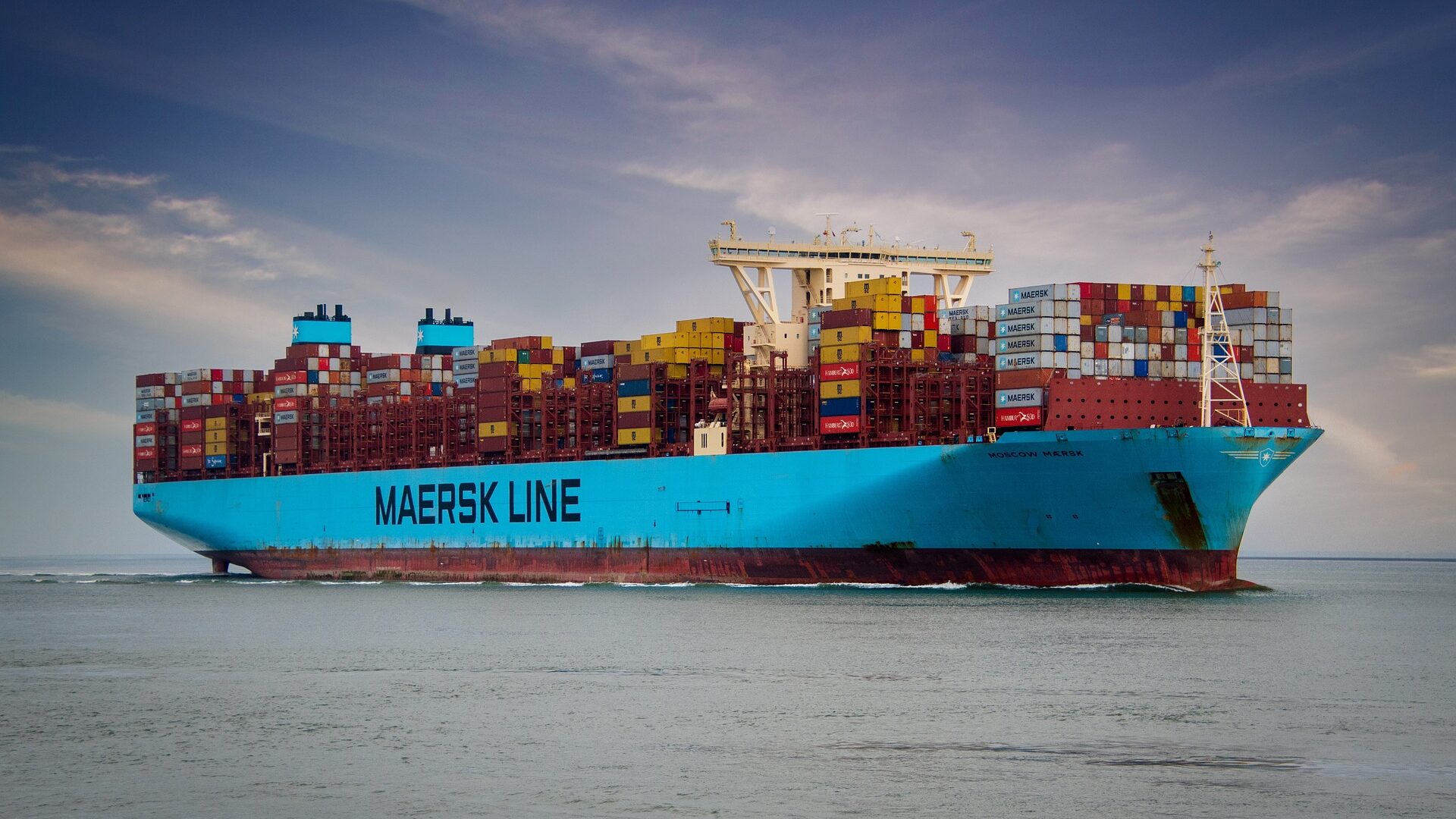
Each year, the shipping industry is responsible for roughly 3% of global greenhouse gas emissions. While the industry has been making strides toward decarbonization, more urgent action must be taken. At current growth rates, shipping could account for 10% of global emissions by 2050.
Within the industry, there is ambition to decarbonize, which is leading to untapped business opportunities. In July 2023, the International Maritime Organization (IMO) adopted the 2023 IMO GHG Strategy – a framework intended to reduce harmful GHG emissions from the industry and reach net-zero emissions from international shipping by 2050. The strategy introduces checkpoints, such as reducing emissions by 20% by 2030, and 70% by 2040.
While it’s difficult to estimate the volume of zero- or low-carbon fuels that will be present in the industry in the next few decades amid technological, regulatory and infrastructure uncertainties, alternative fuels are expected to be the dominant long-term solution. Despite the critical need for decarbonization, shipping has so far seen fewer investments in solutions compared to other climate verticals. Many made in the last two years have focused on energy efficiency, such as software solutions that help decrease emissions but don’t reach sufficient reduction targets. Alternative fuels are needed in order to fully decarbonize the industry, particularly for large intercontinental vessels like bulk carriers, oil tankers and container ships that produce the majority of emissions.