
Rice is a staple food for over half of the people on the planet. It ranks as the third most widely grown cereal crop, cultivated across about a hundred countries, with Asia accounting for 90% of the world’s total production. Nearly 900 million people depend on rice for their livelihoods, with smallholder farmers playing a central role in the industry.
Yet despite its outsized prevalence, rice cultivation has mostly retained its traditional ways, still relying on age-old practices such as manual transplanting, animal-powered plowing, and minimal mechanization.
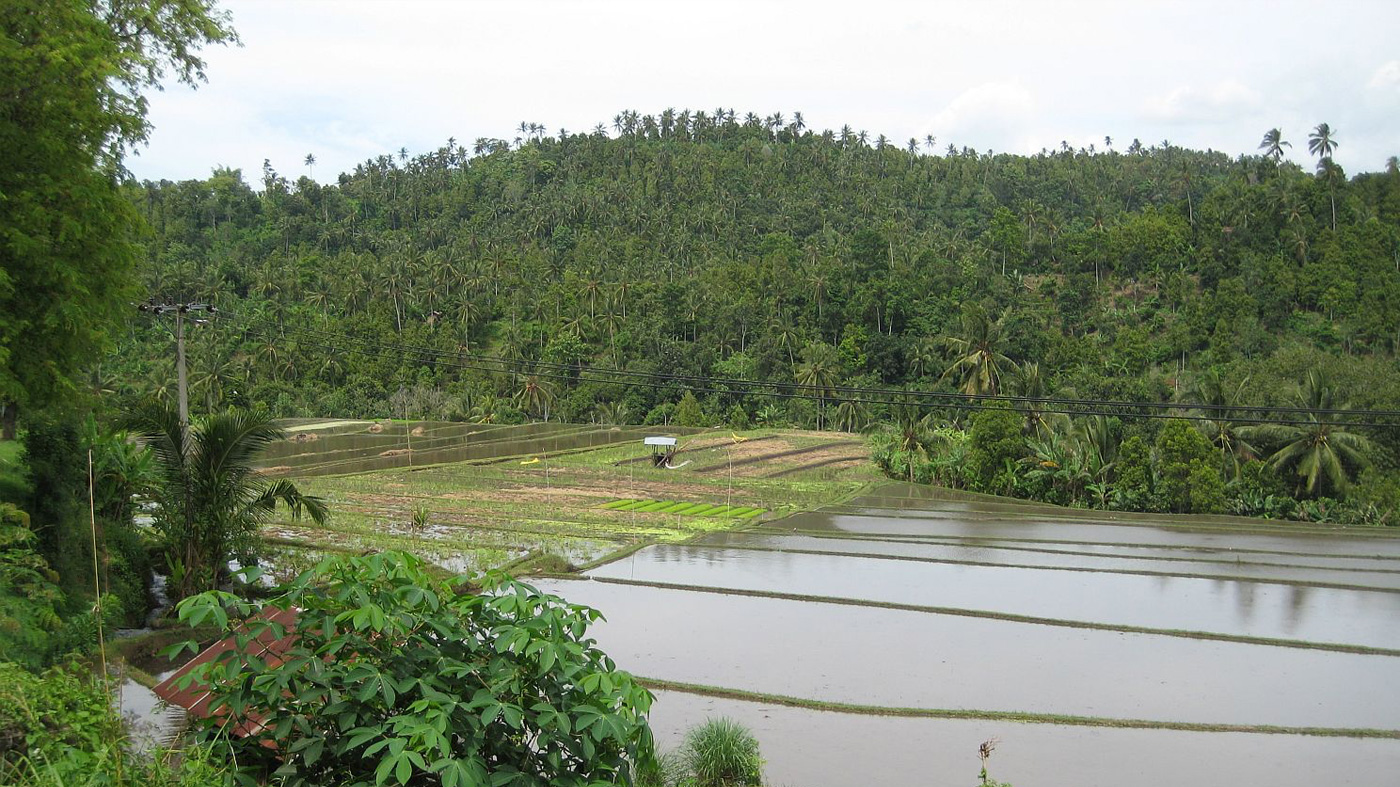
Close to 90% of rice is farmed in lowland areas in flooded paddies to increase productivity and weed control, creating a rich anaerobic environment for methanogens (methane-releasing bacteria) to thrive. Lowland rice is primarily grown across Asia, where China, Indonesia, Thailand and Vietnam are top producing countries.
Upland or dryland rice, where rice is cultivated in dry soil, creates around half the volume of emissions per kilogram produced but additional fertilizer and pesticide requirements, and far lower productivity, make it less attractive for smallholder farmers. Upland rice is primarily in the Americas, Sub-Saharan Africa, and some high-elevation areas in Asia.