
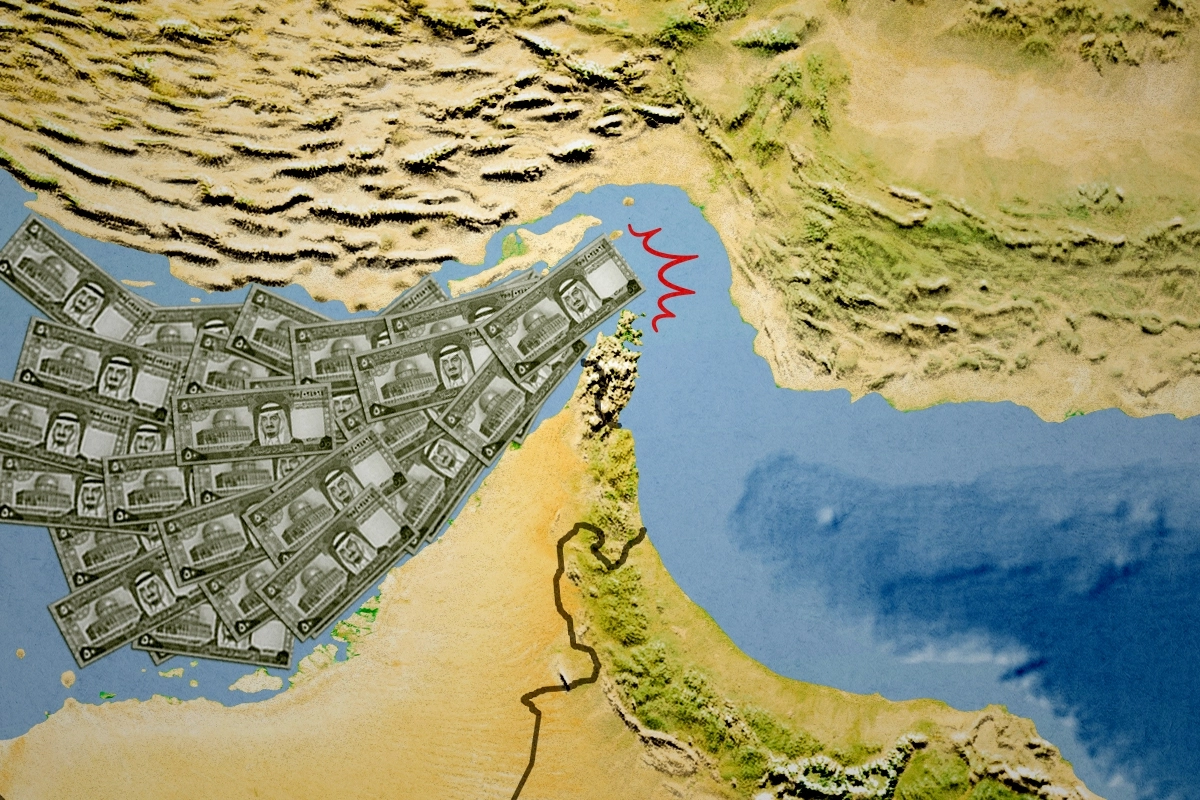
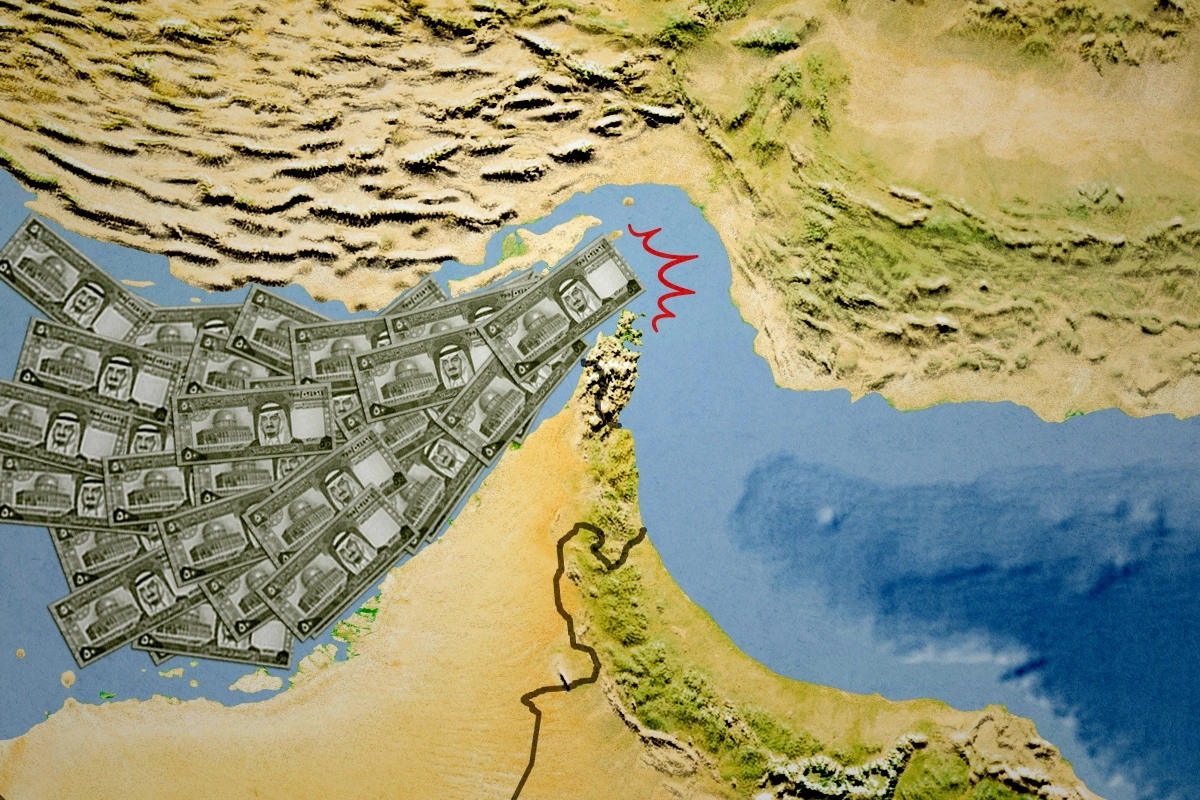
The closure of the Strait of Hormuz has already propagated across the global energy and
climate ecosystem in countless ways. To name just a few, there’s skyrocketing gasoline
prices, a coal comeback, tailwinds for U.S. liquified natural gas, and aluminum price spikes
that raise costs for solar panels.
But if you continue to follow the money, you could start to see repercussions for emergent
climate technologies, too — think electric mobility, clean hydrogen, alternative fuels, carbon
removal, and carbon capture.
Billions of dollars from Gulf states — including the United Arab Emirates, Saudi Arabia,
Kuwait, and Qatar — flow into climate tech every year via sovereign wealth funds and the
investment arms of regional oil and gas giants such as Saudi Aramco and the Abu Dhabi
National Oil Company. With attacks on energy infrastructure causing extensive damage and
millions of barrels of oil — the region’s largest export — and other petrochemical products
now stranded in the Gulf due to the strait’s effective closure, fossil fuel revenues are falling
across much of the region, even as commodity prices spike. The longer this status quo
remains, the greater the threat could be to these countries’ ability to disburse climate tech
capital.