
From filling carbon dioxide into tanks packed with algae to capturing CO2 and creating limestone and chalk for construction, these new innovations will be crucial in our fight against climate change.
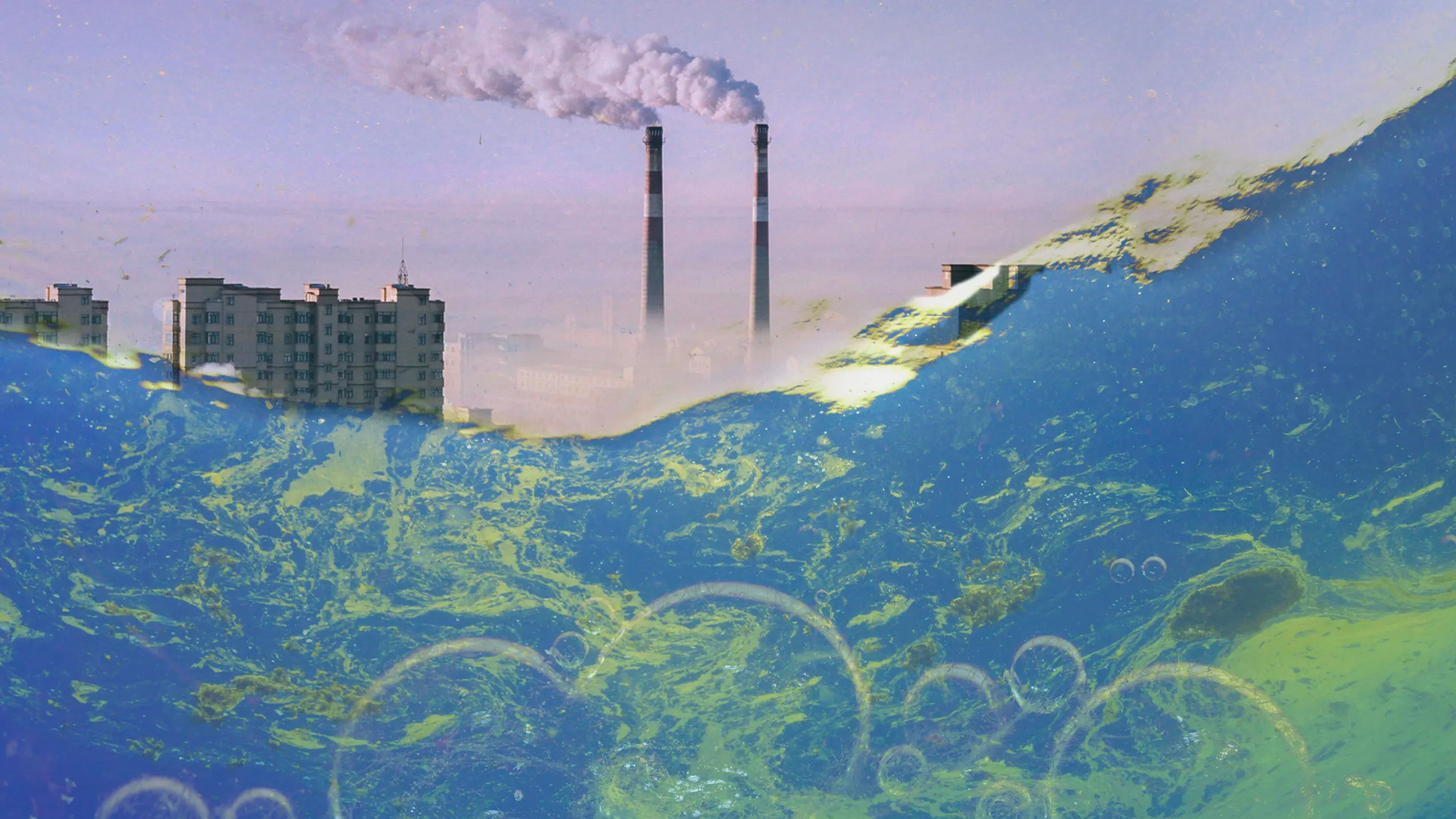
In essence, carbon dioxide is an indicator of life. It reveals the part we play in our planetary ecosystem. But like most things, too much of it can be detrimental. For decades, climate scientists have warned us about the adverse impacts of excess carbon dioxide waste produced as a result of our industrial processes, so much so that during Earth Month this year the United Nations executive climate secretary Simon Stiell issued an official two-year warning to “save the world.”
As a result of these warnings, many individuals, corporations, and governments have made attempts to take accountability for their emissions through offsetting, regulations, and sequestering initiatives. A few solutions have therefore emerged from this burgeoning worldwide recognition that we are in the midst of a climate catastrophe. Among these solutions are carbon removal goals like neutrality and net-zero which can be achieved through a myriad of ways, like switching to solar energy, plant-based diets, and planting more trees (while also putting much more effort into protecting existing forests) which are generally viewed as beacons guiding us towards a habitable planet. But most carbon removal solutions pose significant questions for governments, corporations, and individuals—namely, how can we accelerate and significantly scale our efforts today as we inch closer to a carbon-neutral or net-zero future?